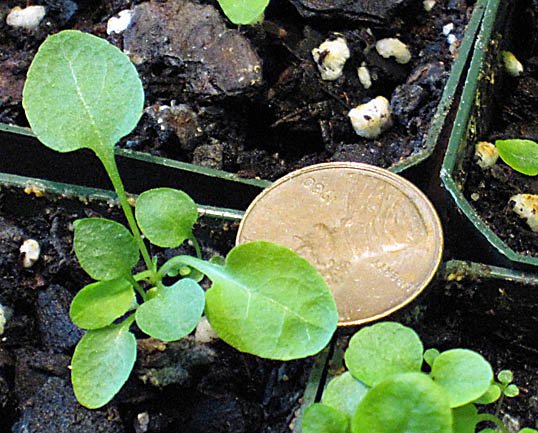
Cultivating Rapunzel-like Gardens & Plants: Reality and Alternatives
The dream of a "Rapunzel-like" garden often conjures images of enchanting plants with long, flowing locks, perhaps even magical properties. While the fairy tale itself is woven from whimsy, the actual "Rapunzel plant" — a humble European root vegetable called rampion (Campanula rapunculus) — holds its own unique charm and a surprising amount of mystique for gardeners. Forget the mythical tresses; we're talking about a plant with edible roots and leaves that could grace a gourmet plate, or simply delight a curious gardener.
But before you dive headfirst into cultivating your own fairy-tale plot, it's crucial to separate fact from fable. Many gardeners mistakenly encounter common radishes or specific lettuce varieties sold under the enchanting "Rapunzel" name, believing them to be the legendary plant. The truth is, true rampion is rarely cultivated today, and understanding its nuances will save you effort and potential disappointment. This guide will unravel the real Rapunzel plant, explore its practical alternatives, and equip you to cultivate the garden of your dreams—whether that's a genuine historical rampion patch or a vibrant, easy-to-grow substitute.
At a Glance: Unearthing the Rapunzel Garden Myth
- The Real Deal: The true "Rapunzel plant" is rampion, botanically known as Campanula rapunculus, a European root vegetable.
- Common Confusion: Many "Rapunzel" seeds sold are actually common radishes or specific lettuce varieties, not true rampion. Always check the botanical name.
- Growing Rampion: Best suited for cool climates (USDA zones 3-7) with mild summers. It takes about 120+ days to mature.
- Beginner Beware: Rampion can be challenging for new gardeners; only about 15% succeed on their first try.
- Smart Alternatives: Radishes and mâche (lamb's lettuce) offer similar culinary uses with much less effort and faster results.
- Edibility: Rampion roots taste like mild radishes, leaves like spinach, and flowers are edible and decorative.
- Soil & Sun: Prefers standard loam (pH 6.0-7.0) and benefits from partial shade in warmer regions.
Demystifying the "Rapunzel" Plant: From Fairy Tale to Garden Bed
The "Rapunzel plant" holds a special place in folklore, often thought to possess magical qualities or extraordinary beauty. In reality, the plant referenced in the Brothers Grimm fairy tale is believed to be Campanula rapunculus, or rampion. This unassuming plant is a native of southwestern Asia through central Europe to North Africa, a region where it was historically prized for its edible roots and leaves.
However, modern gardening has introduced a twist. The allure of the "Rapunzel" name has led some seed companies to market common, easy-to-grow vegetables under this captivating moniker. This practice often results in gardeners planting radishes or certain lettuce varieties, believing they are cultivating the elusive rampion. While these substitutes can certainly create a beautiful, productive garden, they aren't the historical "Rapunzel."
Your Action: When purchasing "Rapunzel plant" seeds, always, always check for the botanical name: Campanula rapunculus. If it's not listed, or if the description sounds suspiciously like a fast-growing radish or lettuce, you're likely getting a delightful imposter—which might be exactly what you need, depending on your goals!
The True Rampion: A Glimpse into Campanula rapunculus
The Campanula genus is vast, encompassing over 500 species globally, including popular bluebells, bellflowers, and harebells. Many members of this family boast edible flowers, leaves, and roots, but Campanula rapunculus specifically earned its legend as the "Rapunzel plant" due to its succulent, turnip-like root.
Historically, rampion was a staple in European kitchens, appreciated for its versatility. The root offers a mild, slightly peppery flavor, often compared to a gentle radish. The leaves can be used like spinach, and the delicate blue flowers are not only beautiful but also edible, adding a touch of gourmet elegance to salads. Harvesting is key: for the best flavor, both roots and leaves should be gathered before the plant flowers.
Understanding the true nature of rampion helps us appreciate its role in gardening—not as a magical plant, but as a unique, historical, and subtly flavored edible that can enrich a specialized garden.
Is Rampion Right for Your Garden? A Candid Assessment
Growing rampion isn't for every gardener, nor every climate. While the idea of cultivating a fairy-tale plant is enchanting, the reality requires specific conditions and a degree of patience. Before you commit to Campanula rapunculus, consider these factors:
Grow Rampion If:
- You're in the Cool Zones (USDA 3-7): Rampion thrives in cooler climates with mild summers, ideally where temperatures stay below 70°F (21°C). This mirrors its native European habitat.
- You Seek Historical Authenticity: If your passion lies in recreating historical European gardens or exploring heirloom varieties, rampion is a fascinating and rewarding choice.
- You Desire Edible Flowers & Gourmet Flair: The delicate blue, bell-shaped flowers of rampion are not only beautiful but also edible, making a stunning addition to gourmet salads and dishes. Its unique root and leaf flavor also appeal to adventurous palates.
- You Have Patience: Rampion takes its time, requiring 120+ days to develop mature roots. This is a journey, not a sprint.
- You Appreciate Beneficial Insects: Rampion's attractive blue flowers are a magnet for pollinators like bees and beneficial insects such as hoverflies, making it a great addition to an integrated pest management strategy. You might find it pairs well when mastering companion planting with other beneficial bloomers.
Avoid Rampion If:
- You're in Warmer Climates (USDA Zones 8+): Heat is rampion's nemesis. High temperatures stunt root growth, leading to disappointing yields.
- You Need Fast Results: If you're looking for a quick harvest, rampion isn't your plant. Its lengthy maturation period pales in comparison to, say, a radish that can be ready in 25 days.
- You're a Beginner Gardener (and want a sure win): Rampion can be a bit finicky. Only about 15% of beginners achieve success on their first attempt. For a higher chance of early wins, focus on easier alternatives first.
- You're Unprepared for Pests: Rampion can attract flea beetles. While manageable with organic methods, it's an additional consideration.
- You're Looking for a "Magical" Plant: If your expectation is based purely on the fairy tale, prepare for a dose of horticultural reality. Its magic lies in its history and subtle flavors, not shimmering leaves or instant growth.
Smart Alternatives to the True Rapunzel Plant
For most gardeners seeking that "Rapunzel-like" culinary experience without the specific challenges of Campanula rapunculus, there are excellent and far more forgiving alternatives. In fact, 85% of beginners achieve better results with these substitutes.
Radishes: The Speedy & Similar Solution
The most common "Rapunzel" imposters are radishes, and for good reason! Their roots offer an identical culinary use—crisp, peppery, and delicious—with significantly less effort.
- Why Radishes? They mature in as little as 25-30 days, are incredibly easy to grow in a wide range of climates, and come in countless varieties, offering different colors, shapes, and spice levels. Many "Rapunzel" radish varieties are specifically chosen for their mild flavor and tender texture, mimicking true rampion.
- Culinary Match: Use radish roots raw in salads, slaws, or as a crunchy snack. The greens are also edible, though spicier than rampion leaves.
- Getting Started: Sow radish seeds directly into the garden every two weeks for a continuous harvest. They prefer full sun to partial shade and consistently moist soil. For more on various delightful edible root vegetables, radishes are a fantastic starting point.
Mâche (Lamb's Lettuce): For Tender Greens
If your primary interest is in the tender, mild greens of rampion, mâche (Valerianella locusta), also known as lamb's lettuce or corn salad, is a fantastic choice.
- Why Mâche? It produces small, succulent, spoon-shaped leaves with a delicate, nutty flavor. It's incredibly cold-hardy and thrives in cool weather, often overwintering even in chilly climates.
- Culinary Match: Mâche is a prized salad green, often used in gourmet mixes. It’s perfect for adding a mild, fresh element to any dish where you’d use baby spinach or tender lettuce.
- Getting Started: Sow mâche seeds in early spring or late summer for a fall/winter harvest. It prefers partial shade in warmer temperatures and consistent moisture.
By opting for radishes or mâche, you can still achieve a beautiful and productive "Rapunzel-inspired" garden with a much higher success rate, especially if you're a new gardener or live in a warmer region.
Cultivating True Rampion: A Detailed Guide for the Dedicated
For those committed to growing Campanula rapunculus, here’s how to give yourself the best chance of success. Remember, patience and attention to specific needs are your allies.
1. Site Selection & Soil Preparation
- Light: Rampion prefers full sun in cooler climates (USDA zones 3-5). In zones 6-7 and any region with warmer summers, provide partial shade, especially during the hottest part of the day, to protect roots from stunting.
- Soil: Forget any mystical "fairy-tale soil." Rampion thrives in standard, well-draining loam. A pH of 6.0-7.0 is ideal. Amend heavy clay soils with compost to improve drainage and sandy soils to enhance water retention. Good garden soil health is critical for root development.
- Preparation: Loosen the soil to a depth of at least 8-10 inches (20-25 cm) to allow for good root development. Remove any rocks or debris.
2. Planting Rampion Seeds
- Timing is Everything: Sow rampion seeds in early spring. The key indicator isn't moon phases (which show no statistical difference in yield) but soil temperature. Rampion seeds germinate best when soil temperatures are consistently between 45-65°F (7-18°C). Aim for around 50°F (10°C) as a sweet spot.
- Sowing Depth: Sow seeds thinly about 1/4 inch (0.6 cm) deep.
- Spacing: Once seedlings emerge and are large enough to handle, thin them to 4-6 inches (10-15 cm) apart within rows, with rows spaced 12-18 inches (30-45 cm) apart. Proper spacing ensures each plant has enough room to develop a good root.
- Watering at Sowing: After sowing, gently water the area to ensure good seed-to-soil contact. Maintain consistent soil moisture during the germination period, which can take 10-20 days.
3. Ongoing Care & Maintenance
- Watering: Rampion requires consistent moisture, especially as the roots develop. Aim for about 1 inch (2.5 cm) of water per week, either from rain or irrigation. Avoid letting the soil dry out completely, as this can lead to tough, woody roots.
- Weeding: Keep the area around rampion plants free of weeds, which compete for nutrients and moisture. Hand-weeding is often best to avoid disturbing the shallow roots.
- Fertilizing: Rampion generally doesn't require heavy feeding. If your soil is poor, a balanced organic fertilizer at half strength can be applied once about a month after germination. Prioritize soil health with compost rather than synthetic fertilizers.
- Pest Management: The primary pest for rampion is the flea beetle, which can chew small holes in the leaves.
- Organic Controls: Use floating row covers immediately after planting to create a physical barrier. Neem oil sprays can also be effective against active infestations. Companion planting with pest-repelling herbs like basil can also offer broader benefits.
4. Harvesting Your Rampion
- Roots: Rampion roots are typically ready for harvest after 120+ days, usually in late summer or fall, before the ground freezes. Gently dig up the plants, similar to harvesting carrots or radishes. The roots should be about 1-2 inches (2.5-5 cm) in diameter, resembling small, white parsnips or elongated radishes.
- Leaves: Young rampion leaves can be harvested throughout the growing season, similar to spinach. Take only a few outer leaves from each plant to allow it to continue growing. Harvest before the plant sends up a flower stalk for the best flavor.
- Flowers: The beautiful blue flowers are edible and can be picked as they bloom. Use them as a garnish for salads or desserts.
- Storage: Freshly harvested roots can be stored in a cool, dark, humid place (like a root cellar) or in the refrigerator for several weeks. Leaves are best used fresh.
Important Note: If you plan to save seeds, allow some plants to flower and go to seed. Remember that wild rampion can be a protected species in some areas, so always grow cultivated varieties to avoid issues.
Common Misconceptions & Clarifications
Let's address some of the persistent myths that can trip up gardeners hoping for a "Rapunzel" patch.
- Myth 1: "Special Fairy-Tale Soil" is Needed.
- Reality: Rampion grows perfectly well in standard, well-draining loam with a pH of 6.0-7.0. The secret isn't magic, it's good garden practices. Focus on soil structure and nutrient balance, not mystical ingredients.
- Myth 2: Moon-Phase Planting Guarantees Success.
- Reality: While some traditional gardening practices incorporate moon phases, scientific studies have shown no statistical difference in yield or plant health based on moon-phase planting for rampion. Your focus should instead be on fundamental factors like correct soil temperature (45-65°F / 7-18°C) for optimal seed germination.
- Myth 3: Rampion Naturally Repels Pests.
- Reality: Unfortunately, rampion attracts certain pests, particularly flea beetles. Don't rely on it as a pest deterrent. Instead, be prepared with organic controls like row covers or neem oil, or integrate it into a diverse garden plan with truly pest-repelling herbs.
- Myth 4: "Rapunzel Plant" Seeds Are Always the True Rampion.
- Reality: As discussed, many seed companies market common radishes or lettuce as "Rapunzel." Always confirm the botanical name (Campanula rapunculus) to ensure you're getting the actual plant from the fairy tale. Don't pay a premium for a common vegetable if you're seeking the specific historical plant. For those just starting their gardening journey, learning about seed starting for beginners often involves navigating these kinds of marketing nuances.
Beyond the Root: The Broader Benefits of Rampion
Even if rampion can be a bit of a challenge, its place in the garden extends beyond its edible parts. Its beautiful blue flowers are a significant draw for beneficial insects.
- Pollinator Paradise: Rampion's charming blue bell-shaped flowers are a beacon for pollinators like bees, contributing to the overall health and biodiversity of your garden ecosystem.
- Hoverfly Magnet: These flowers are particularly attractive to hoverflies, whose larvae are voracious predators of aphids and other soft-bodied pests. Integrating rampion can thus be a natural way to boost your garden's pest control defenses.
- Historical & Educational Value: Growing rampion is a unique way to connect with gardening history and agricultural heritage, offering a tangible link to a story that has enchanted generations. It's a talking point, a curiosity, and a rewarding project for the dedicated gardener.
If you're considering expanding your understanding of the diverse Campanula family, or just want to learn more about its floral attributes, you can find All about the rapunzel flower and its relatives in a dedicated guide.
Your Next Step: Choosing Your "Rapunzel" Journey
Cultivating a "Rapunzel-like" garden is less about magical seeds and more about understanding your plants, your climate, and your gardening goals. You now have the knowledge to make an informed decision:
- Embrace the True Rampion: If you're in a suitable cool climate, have patience, and are eager for a unique, historical, and subtly flavored edible, embark on the journey of growing Campanula rapunculus. You're signing up for a rewarding challenge that connects you directly to folklore.
- Opt for Practical Alternatives: For fast, easy, and delicious results with similar culinary uses, lean into radishes or mâche. They offer the "Rapunzel" experience without the specific demands of the true plant, making them perfect for beginners or those in warmer climates.
- Mix and Match: Why choose just one? Cultivate a small patch of true rampion for the experience, and surround it with rows of easy-to-grow "Rapunzel" radishes and tender mâche. This way, you enjoy the best of both worlds—the challenge and the quick wins.
Whichever path you choose, remember that the most enchanting gardens are built on knowledge, care, and a little bit of gardening grit. Go forth and cultivate your very own Rapunzel-inspired patch, knowing exactly what you're planting and what delightful surprises await beneath the soil. Happy gardening!