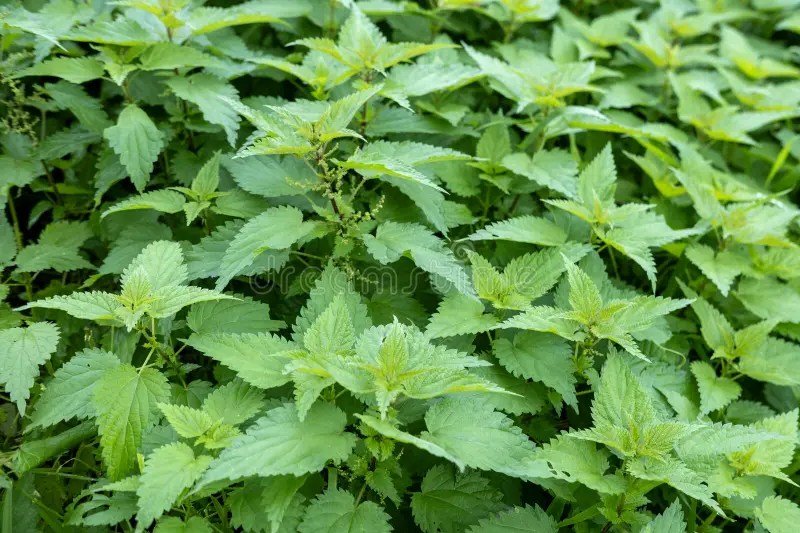
In the quiet corners of ancient texts and the bustling aisles of modern health stores, a fascinating story unfolds – one where the vibrant hues of nature offer a promise of healing. This isn't just about folklore; it's a deep dive into the Medicinal & Herbal Connections: Fictional vs. Real Healing Plants, unraveling the intricate tapestry of traditional wisdom and cutting-edge science. For centuries, humans have looked to the plant kingdom for remedies, a practice known as phytotherapy, weaving these green allies into cultures, rituals, and healthcare. But how much of this rich heritage holds up under the microscope of modern scrutiny? And where do the genuine botanical heroes diverge from the mythical marvels?
Before we delve into the verdant world of healing plants, here’s a quick roadmap of what you'll uncover:
At a Glance: Navigating the World of Herbal Healing
- Real Power: Many herbs possess scientifically validated active compounds that deliver genuine physiological benefits, from soothing nausea to improving sleep.
- Not All Equal: Product quality and potency vary dramatically, and not every traditional claim holds up to rigorous scientific testing.
- Hidden Risks: "Natural" doesn't always mean "safe." Herbs can interact with medications or have side effects, making professional guidance essential.
- Busting Myths: Herbal medicine is not just a placebo, nor is it always expensive or slow-acting. It's distinct from homeopathy and used across all demographics.
- Smart Integration: Combine ancient wisdom with modern medical advice. Consult healthcare professionals and certified practitioners to ensure safety and effectiveness.
The Enduring Allure of Nature’s Pharmacy
Imagine a world where your grandmother’s herbal tea isn't just a comforting brew, but a potent remedy with a lineage stretching back thousands of years. This is the reality of herbal medicine, a practice rooted deeply in ancient Chinese, Indian, and Native American traditions. Today, this tradition continues to resonate profoundly; a significant 66% of adults report a preference for herbal remedies over synthetic pharmaceuticals, largely driven by concerns about potential side effects.
This isn’t just a trend; it's a testament to the real impact of plants. The magic lies in their active compounds – the phytochemicals – which interact with our bodies in profound ways. Whether it's fighting inflammation, improving digestion, or bolstering the immune system, these botanical powerhouses offer a nuanced approach to wellness. Yet, with such a rich history and widespread appeal, it's easy for the lines between scientific fact and hopeful fiction to blur. Our journey begins by bringing clarity to these distinctions.
Bridging the Gap: Where Ancient Wisdom Meets Modern Science
For too long, herbal remedies have been relegated to the realm of "alternative" or dismissed as mere folklore. But increasingly, modern science is stepping in to validate what healers have known for millennia. Research continues to isolate the active components of plants and demonstrate their efficacy, moving these traditional treatments from anecdotal evidence to peer-reviewed journals.
Consider these plant-based powerhouses, each with a growing body of scientific validation:
- Ginger ( Zingiber officinale ): Beyond its culinary uses, ginger is a champion against nausea, showing a remarkable 40% reduction in pregnancy-related sickness. Its gingerols and shogaols are potent anti-inflammatory and antiemetic agents.
- Echinacea ( Echinacea purpurea ): Often lauded as a cold fighter, studies suggest this distinctive purple flower can reduce the severity of cold symptoms by up to 10%, thanks to compounds like alkylamides and caffeic acid derivatives that stimulate the immune system.
- Chamomile ( Matricaria chamomilla ): Known for its calming properties, chamomile can improve sleep quality by 50% or more in individuals battling insomnia. Its main active compound, apigenin, binds to benzodiazepine receptors in the brain, inducing a sedative effect.
- Peppermint ( Mentha piperita ): The menthol in peppermint isn't just refreshing; peppermint oil has been shown to alleviate symptoms of Irritable Bowel Syndrome (IBS) in an impressive 74% of patients. It acts as an antispasmodic, relaxing the muscles of the gastrointestinal tract.
- Turmeric ( Curcuma longa ): This golden spice contains curcumin, a compound with powerful anti-inflammatory properties that can reduce pain levels by up to 30%. It’s widely studied for its potential in managing chronic pain and inflammatory conditions.
- Ginseng ( Panax ginseng ): A staple in traditional Eastern medicine, ginseng can enhance focus and cognitive performance in older adults by 25%. Its active components, ginsenosides, are believed to support brain function and combat fatigue.
These examples underscore a crucial point: herbal medicine is not a monolithic entity. While some remedies are indeed steeped in tradition with minimal contemporary evidence, others stand as shining examples of nature's pharmacy validated by rigorous scientific inquiry. To truly understand these connections, it's vital to explore how different compounds interact with the human body.
The Murky Waters: When Fictional Claims Overshadow Real Healing
While the success stories of ginger and turmeric are compelling, it's equally important to acknowledge the areas where the "fictional" can creep into the narrative of herbal healing. The allure of a natural cure-all is strong, leading to unsubstantiated claims and, often, disappointment. The challenge lies not just in separating scientifically proven herbs from those lacking evidence, but also in the variability of product quality itself.
Take turmeric supplements, for instance. While curcumin is its celebrated active component, analysis has revealed that supplements can contain anywhere from 50% to a startling 200% of the expected curcumin. Such inconsistencies highlight a significant hurdle: the lack of standardized regulation that pharmaceutical drugs undergo. This means that two products touting the same herb might offer vastly different experiences and outcomes.
The journey to effective herbal healing demands a discerning eye. It's about moving beyond broad promises and focusing on specific, evidence-backed applications. Without this critical approach, the potential for genuine benefit can be lost amidst a sea of exaggerated claims and poorly formulated products. Understanding this landscape is key to making informed choices about natural remedies.
Navigating the Risks: What You Absolutely Need to Know
The notion that "natural" inherently means "safe" is one of the most dangerous fictions surrounding herbal medicine. While plants are nature's gift, many of the compounds they contain are pharmacologically active – meaning they can, and do, exert powerful effects on the body. This power, if misused or misunderstood, carries significant risks.
One of the most critical concerns is the potential for negative interactions with conventional medications. A prime example is St. John’s Wort, a popular herb for mild depression. While effective for some, it can profoundly interfere with numerous prescription drugs, including:
- Antidepressants: Leading to potentially dangerous serotonin syndrome.
- Oral Contraceptives: Reducing their effectiveness.
- Blood Thinners: Increasing the risk of bleeding.
- Digoxin: A heart medication, altering its effects.
Similarly, ginseng, revered for its cognitive benefits, can impact blood sugar levels, posing a risk for individuals with diabetes or those on blood-thinning medications. Other herbs can interfere with anticoagulants, increasing the risk of hemorrhage. These aren’t minor considerations; they are potentially life-threatening interactions that underscore the necessity of professional medical oversight.
Furthermore, the lack of rigorous regulation and quality assurance in the herbal product market stands in stark contrast to the pharmaceutical industry. While conventional drugs undergo extensive testing for safety, purity, and potency, many herbal supplements do not. This can lead to products containing: - Varying Potency: As seen with turmeric.
- Contaminants: Such as heavy metals or pesticides.
- Adulterants: Including undisclosed synthetic compounds.
- Mislabeled Ingredients: Where the product doesn't contain what it claims, or contains other herbs not listed.
This regulatory gap places the onus on consumers and healthcare providers to exercise extreme caution. When exploring herbal options, it's never just a simple choice; it's a careful deliberation that prioritizes your health and safety above all else.
Debunking the Myths: Separating Fact from Fiction in Herbal Healing
The discourse around herbal medicine is often clouded by persistent myths that hinder a balanced understanding. Let’s set the record straight and debunk some of the most common misconceptions:
Myth 1: Herbal Medicine is Just Folklore with No Scientific Basis.
Fact: While rooted in ancient traditions, a growing body of scientific research now validates the efficacy of many herbs. The active phytochemicals in plants are increasingly understood through modern pharmacological studies, confirming their physiological effects. It's not just old tales; it's emerging science.
Myth 2: Any Effects from Herbs are Solely Due to the Placebo Effect.
Fact: While the placebo effect can influence any treatment outcome, herbs contain pharmacologically active compounds that induce real, measurable physiological changes. As demonstrated with ginger’s impact on nausea or chamomile’s effect on sleep, these are tangible biological responses, not just wishful thinking.
Myth 3: Herbal Remedies are Prohibitively Expensive.
Fact: The cost spectrum for herbal medicine is broad. While some high-quality, specialized extracts can be pricey, many common herbs are quite affordable. Crafting simple herbal concoctions at home can significantly reduce costs, making herbal healing accessible to many budgets. For instance, growing your own medicinal plants can be a cost-effective and rewarding endeavor.
Myth 4: Herbal Medicine is the Same as Homeopathy.
Fact: These are fundamentally different practices. Herbal medicine uses plant extracts containing pharmacologically active substances at therapeutic concentrations. Homeopathy, conversely, employs highly diluted substances based on an energetic principle ("like cures like") and typically involves remedies with little to no original substance remaining.
Myth 5: Herbal Medicine is Only for Specific "Alternative" Subcultures.
Fact: People from all backgrounds, cultures, and socioeconomic statuses use herbal medicine. Its appeal spans across diverse populations looking for natural health solutions, pain relief, or complementary treatments. It's a global phenomenon, not a niche practice.
Myth 6: Herbs Always Act Slowly; They Can't Help with Acute Conditions.
Fact: While many herbs are indeed used for long-term health support and chronic conditions, others can provide rapid effects for acute issues. Peppermint oil for immediate IBS symptom relief or ginger for acute nausea are prime examples of herbs that can act quickly when needed. Remember that charming flower from the fairy tales? Learn more about the rapunzel flower and other storied plants—sometimes their legendary properties hold more truth than you'd expect.
Your Practical Guide to Safe & Effective Herbal Integration
Embracing herbal medicine doesn't mean abandoning conventional healthcare. In fact, the most effective approach is often one of synergy – combining the best of both worlds. Here's how to navigate your journey responsibly and effectively:
1. Consult a Healthcare Professional – Your Non-Negotiable First Step
Before starting any new herbal regimen, always consult with a doctor, pharmacist, or certified herbalist. This is especially critical if you are pregnant, nursing, have pre-existing health conditions, or are currently taking other medications. They can assess potential interactions, side effects, and determine if an herb is appropriate for your individual health profile. Never self-diagnose or self-prescribe for serious conditions.
2. Embrace Integrative Medicine: The Best of Both Worlds
Integrative medicine offers a comprehensive treatment strategy by combining conventional healthcare with evidence-based alternative approaches. This collaborative model ensures you benefit from both pharmacological treatments and natural remedies, all under the guidance of a coordinated healthcare team. It's about holistic well-being, not choosing one over the other. To understand this further, consider how integrative approaches can enhance your overall health strategy.
3. Thorough Research and Open Communication are Essential
Beyond professional advice, empower yourself with knowledge. Research the specific herb you're considering: its active compounds, known benefits, potential side effects, and any documented interactions. Bring this research to your healthcare provider and be open about all supplements and medications you are taking. Full transparency ensures your safety.
4. Select the Correct Formulation and Prescribed Dosage
Herbal products come in various forms: teas, tinctures, capsules, essential oils. The efficacy and safety often depend on the correct formulation and dosage. A standardized extract might be more effective and reliable than a raw herb powder. Always adhere to prescribed dosages and never assume more is better, as this can increase the risk of side effects.
5. Consider Crafting Herbal Concoctions at Home
For certain common herbs, preparing teas, infusions, or even tinctures at home can be a cost-effective way to utilize their benefits. This also gives you control over the quality of your ingredients. However, be cautious with potent herbs or those requiring precise extraction methods, which are best left to professionals. Always ensure you can accurately identify the plant and know its properties.
6. Partner with a Certified Practitioner for Tailored Recommendations
For complex health issues or when you need a more personalized approach, seeking guidance from a certified herbalist or naturopathic doctor is invaluable. They can conduct a comprehensive assessment, recommend specific herbs and formulations tailored to your unique needs, and monitor your progress to ensure both safety and efficacy. Their expertise bridges the gap between traditional knowledge and contemporary understanding, offering a truly personalized treatment plan.
Cultivating Your Own Herbal Knowledge: Beyond the Headlines
The world of medicinal plants is vast and endlessly fascinating, but it demands respect, diligence, and a commitment to informed decision-making. As we navigate the complex interplay of ancient wisdom and modern scientific discovery, the most potent tool in your arsenal is knowledge. Don't be swayed by sensational headlines or anecdotal claims alone. Instead, foster a critical, curious mind, always questioning, always learning.
The true healing power of plants lies not in magical thinking, but in their complex biochemistry – compounds that have co-evolved with life on Earth, offering solutions that are often subtle, sometimes profound, and always deserving of careful consideration. By understanding the real Medicinal & Herbal Connections: Fictional vs. Real Healing Plants, you empower yourself to make intelligent choices, harnessing nature’s pharmacy safely and effectively for your well-being. Your journey into the green world should be one of continuous learning, guided by both the wisdom of the ages and the clarity of science.