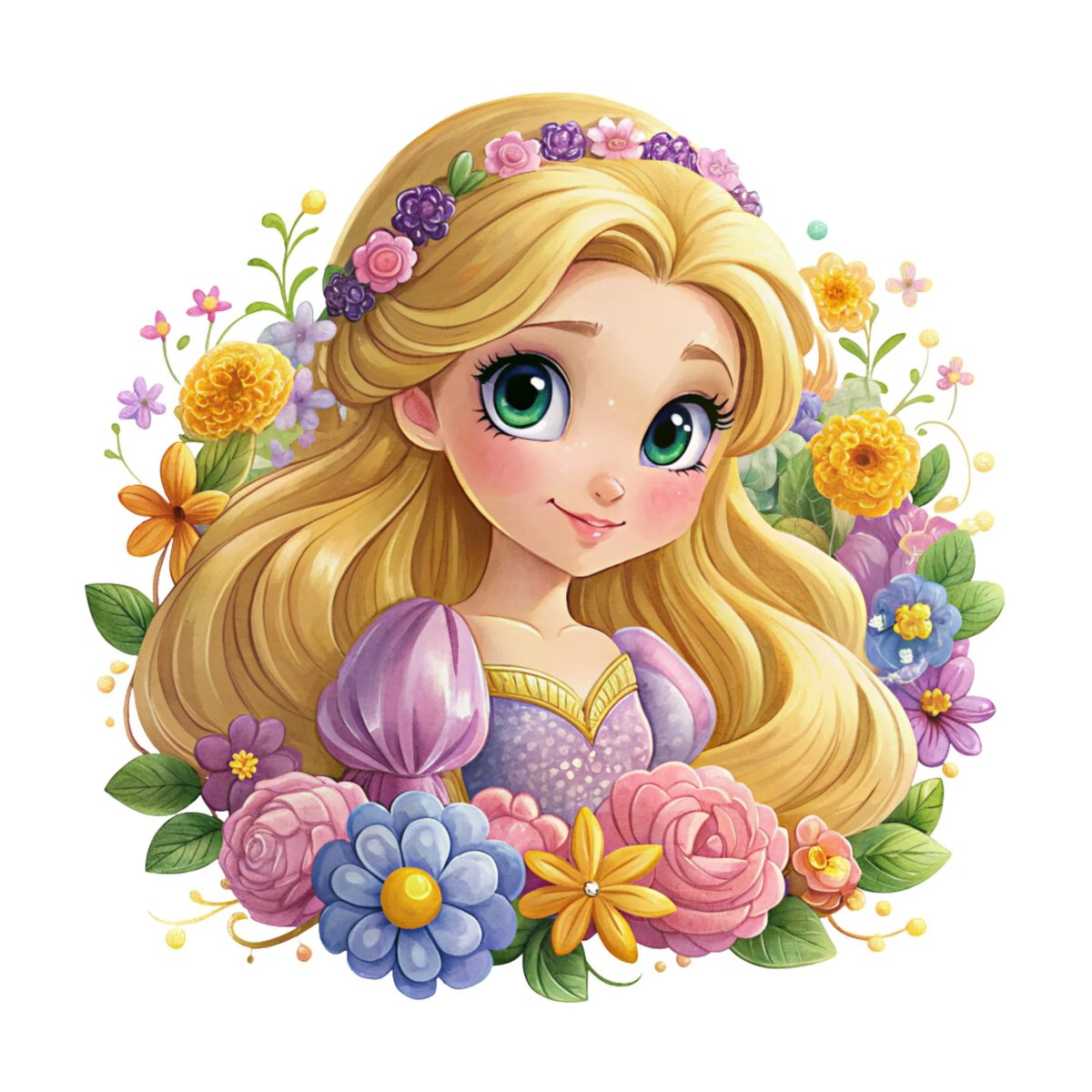
From the moment Disney's Tangled graced our screens, a single, luminous bloom captivated audiences worldwide: the golden "Rapunzel flower." Its radiant glow and incredible healing powers sparked a natural curiosity – could such a magical blossom truly exist? While the enchanting flower central to Rapunzel's story is a brilliant work of Disney's imagination, its inspiration draws from a fascinating blend of folklore and real-world botany.
This Super Pillar hub dives deep into the heart of the "Rapunzel flower" phenomenon, untangling the magic from the reality. We'll explore the fantastical properties of the fictional golden flower, uncover its surprising real-life namesake, and trace the cultural impact of this beloved bloom, both imaginary and genuine. Prepare to discover the full story behind the flower that started it all.
Unveiling the Enchanting Golden Flower from Tangled
At the core of Tangled lies a truly extraordinary plant: the fictional golden flower. This isn't just any bloom; it's a pivotal element in Rapunzel's destiny, a magical source of youth, beauty, and healing. Visually, it's distinctive with five outward-curling petals, evoking a delicate, bell-like or trumpet shape that mirrors the elegance of a princess's gown. More importantly, it possesses an internal luminescence, glowing brightly when its powers are invoked through a specific song.
The narrative of this flower is rich with ancient lore, acting as a magical catalyst from its very discovery. Its unique ability to restore youth and mend injuries makes it a highly coveted, and dangerous, commodity. For a full dive into its mythical background and story arc, you'll want to read more about The Fictional Flowers Origins &. Understanding its foundational role reveals how deeply its magic is woven into every aspect of Rapunzel's life and the villain's motivations.
The Real-World "Rapunzel Flower": Campanula rapunculus
While the golden glow and healing songs belong firmly to the realm of fantasy, the name "Rapunzel flower" isn't entirely made up. There's a real plant, Campanula rapunculus, widely known as the Rapunzel flower, Rampion Bellflower, or Rampion. This unassuming biennial plant, native to Europe and North Africa, shares a historical connection to the very fairy tale that inspired Disney's movie.
Unlike its fictional counterpart, Campanula rapunculus doesn't glow or grant eternal youth. Its petals are indeed bell-shaped, but they typically bloom in shades of blue, white, or purple, never gold. Historically, this plant was quite popular in the Middle Ages, not for its magical properties, but for its edibility. Every part of the plant—from its leaves resembling spinach, to its roots and petals—was consumed. To truly understand the botanical facts and how this real flower inspired the legendary tale, delve into Real-World Botanical Inspirations & Counterparts. It's a fascinating look at how nature can spark our imaginations.
Symbolic Resonance and Cultural Impact
The fictional Rapunzel flower carries a profound weight of symbolism, far beyond its magical abilities. Its golden color speaks of beauty, preciousness, and even royalty, while its illumination suggests enlightenment, hope, and the light of life. The flower's role in Rapunzel's story also brings forth themes of healing, rejuvenation, isolation, and imprisonment. Yet, it also symbolizes hope, the cycle of life, and rebirth. These powerful symbolic layers contribute significantly to its lasting impact on audiences.
From its initial portrayal in Tangled to its influence on broader culture, this golden flower has become an icon. Its magic resonates with viewers, inspiring discussions about the meaning of freedom, sacrifice, and true beauty. To unravel the intricate layers of meaning and discover its wide-reaching influence, be sure to Explore Golden Flower symbolism Discover its profound significance.
Bringing Rapunzel's Magic to Your Garden
Inspired by the enchantment of the Rapunzel flower? While you can't grow a glowing golden bloom, you can certainly cultivate a garden that evokes a similar sense of magic and beauty. Many real-world plants share characteristics with the fictional flower, from their bell-shaped petals to their vibrant colors, offering ways to create your own fairy-tale landscape.
Consider planting Campanula rapunculus itself for an authentic touch, or explore other bellflowers and golden-hued plants that capture the aesthetic. We'll guide you through plant selections that can bring a touch of that whimsical charm, along with practical tips for care and cultivation. Learn how to transform your outdoor space into a sanctuary reminiscent of Rapunzel's world by exploring Cultivating Rapunzel-like Gardens & Plants.
The Rapunzel Flower in Art and Beyond
The captivating imagery of the Rapunzel flower, both the fictional golden bloom and its real-world namesake, has transcended its origins to inspire countless artistic interpretations. From the stunning animation of Disney's Tangled to fan art, merchandise, and even floral designs, its iconic shape and symbolic resonance continue to captivate creators across various media. The ethereal glow and delicate form lend themselves beautifully to visual storytelling, making it a favorite motif.
This artistic influence isn't limited to traditional art forms. The Rapunzel flower's concept has spurred imagination in gardening, fashion, and home decor, proving its enduring appeal. To delve into the diverse ways this enchanting flower has been reimagined and represented, take a moment to Explore artistic adaptations and see its magic unfold in new and exciting ways.
Beyond the Tower: The Enduring Legacy of the Rapunzel Flower
Whether you're enchanted by the fantastical glow of Disney's golden flower or fascinated by the humble history of Campanula rapunculus, the "Rapunzel flower" holds a unique place in our collective imagination. It reminds us that magic can be found not only in fairy tales but also in the quiet beauty of nature. As you continue to explore its fictional lore, botanical reality, and vast cultural impact, remember that every bloom, real or imagined, has a story waiting to be discovered. Keep seeking out the wonder.