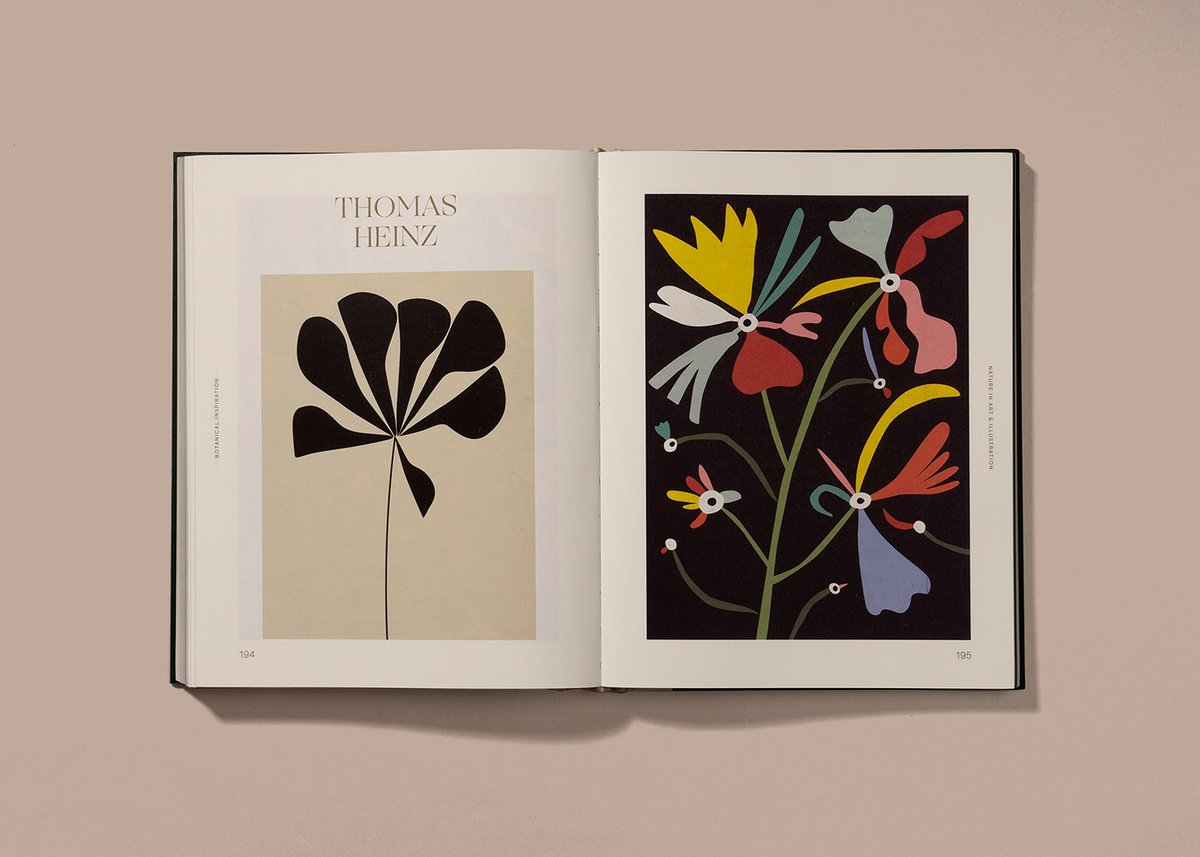
In a world increasingly driven by digital noise, there's a timeless, tangible beauty that continues to captivate: the intricate world of plants. From ancient manuscripts to modern textiles, Real-World Botanical Inspirations & Counterparts don't just decorate our lives; they actively drive art and design, infusing spaces and objects with organic elegance and profound meaning. This isn't just about pretty flowers; it's about a deep appreciation for nature's engineering, an artistic discipline that marries scientific rigor with boundless creativity.
This guide will take you on a journey through the verdant landscape of botanical art, exploring its foundations, diverse expressions, and practical applications. Whether you're an aspiring artist, a seasoned designer, or simply a nature enthusiast, prepare to cultivate a deeper understanding of this enduring craft.
At a Glance: What You'll Discover
- The Unifying Force: How botanical art expertly blends scientific accuracy with artistic flair.
- Essential Skills: The mastery of detail, line work, composition, and color that defines the craft.
- Nature's Paintbox: Five distinct color palettes to bring your botanical visions to life.
- Diverse Expressions: A tour through popular botanical art styles, from traditional to modern minimalist.
- Fueling Your Muse: The best real-world and digital resources for finding endless inspiration.
- Creative Horizons: Unique project ideas to transform your botanical illustrations into tangible creations.
More Than Just Pretty Pictures: The Enduring Allure of Botanical Art
For centuries, humans have looked to the plant kingdom for sustenance, medicine, and aesthetic pleasure. Early botanical illustrations served critical scientific and medicinal purposes, documenting species with meticulous detail for identification and study. Yet, even in their precision, these works brimmed with an undeniable artistic soul, laying the groundwork for a rich tradition that continues to flourish today.
Botanical art is a celebration of life, a quiet rebellion against the ephemeral nature of a blooming season. It's a field where the precise vein of a leaf holds as much significance as the dramatic sweep of a flower petal, demanding patience, observation, and a genuine love for the natural world. This fusion of art and science isn't just a trend; it's a fundamental aspect of human curiosity and creativity, allowing us to immortalize the fleeting beauty of flora.
The Core Ingredients: What Makes Botanical Illustration Bloom?
At its heart, botanical illustration is a discipline built on a specific set of principles. Mastering these elements transforms a simple drawing into a compelling study, rich with information and artistic expression. Think of them as the fundamental building blocks of any successful botanical piece.
Scientific Precision Meets Artistic Vision
The most compelling botanical artwork achieves a delicate dance: it must be beautiful, certainly, but it must also be truthful. This means combining artistic expression with scientific accuracy to faithfully represent real-life plants. You're not just drawing a flower; you're drawing that specific flower, capturing its unique characteristics, growth habits, and structure. It's about balancing precision with creative interpretation, ensuring your work can both educate and inspire. Finding the delicate balance between scientific accuracy and artistic interpretation is often the hallmark of a truly skilled botanical artist.
The Art of Observation: Mastering Detail and Texture
To truly represent a plant, you must see it. This involves close observation, whether of a live specimen or high-quality reference photos. The goal is to capture the delicate veins on a leaf, the velvety texture of a petal, or the subtle fuzz on a stem. Artists achieve this by layering shading and highlights, building up depth and realism gradually. This intense focus on minute details is what gives botanical illustrations their distinct, lifelike quality, allowing viewers to almost feel the plant beneath their fingertips.
Structure and Flow: Precision in Line Work and Composition
Strong line work forms the skeleton of any botanical illustration. Employing clean, confident lines and varying their weight can add significant structure and dimension to your plant subject. A heavier line might define the main stem, while lighter, finer lines delineate delicate stamens or leaf veins. Beyond the individual lines, composition involves thoughtfully arranging the plant on the page. This could mean focusing on a single, perfectly rendered bloom, or illustrating an entire plant, including its roots, leaves, and seed pods, to convey its full life cycle and context.
Breathing Life into Form: Thoughtful Use of Color and Shading
Color brings a plant to life, and in botanical art, it's used with intention. Traditional mediums like watercolor are favored for their ability to mimic natural hues and subtle gradients, but colored pencils, gouache, or digital painting also offer incredible versatility. Shading techniques—such as stippling (tiny dots), cross-hatching (intersecting lines), or wet-on-wet watercolor washes—are crucial for enhancing the three-dimensional appearance, creating the illusion of light and shadow playing across the plant's surfaces.
A Deep Connection: Love for Nature and Dedicated Observation
Ultimately, what truly sets botanical artists apart is a genuine, abiding appreciation for plants and nature itself. This isn't a craft you rush; it's one you approach with reverence. Spending time in gardens, studying plant specimens, or simply observing a potted plant on your windowsill can inspire profound insights. Noticing tiny details, subtle color shifts, or the unique characteristics of different leaves fuels the work, transforming it from a mere technical exercise into a labor of love.
Painting with Nature's Palette: Choosing Your Hues
Color is one of the most powerful tools in a botanical artist's arsenal, setting the mood and defining the character of your subject. The choice of palette can dramatically shift how a plant is perceived, from scientific study to ethereal dream. Let's explore some of the best color palettes for botanical illustration, each offering a distinct aesthetic. When considering the best color palettes for your botanical illustrations, remember the emotional impact you want to create.
Classic & Organic: Natural Greens and Earthy Tones
This is the quintessential botanical palette, perfect for realistic plant studies. It leverages a wide array of greens—from vibrant emeralds to muted olives and deep forest hues—paired with grounding browns, warm yellows, and soft, muted beiges. This combination evokes a natural, organic feel, reflecting the true colors found in gardens, forests, and fields. Think of lush foliage, woody stems, and sun-kissed petals.
Ethereal & Gentle: Soft Pastels for a Dreamy Effect
For those seeking a lighter, more delicate touch, soft pastels are ideal. Blush pinks, muted lavenders, pale peaches, and powdery blues create an airy, romantic feel. This palette is particularly stunning in watercolor, where fluid washes enhance its dreamy quality, making it perfect for vintage-style compositions, wedding invitations, or serene decorative pieces. It evokes fragility and a sense of timeless elegance.
Bold & Exotic: Vibrant Tropicals for a Dynamic Look
If your subject hails from warmer climates, a vibrant tropical palette can capture its energy and exuberance. Fiery oranges, deep magentas, electric blues, and rich emerald greens bring exotic plants to life with striking intensity. This palette is inherently dynamic and eye-catching, making it excellent for designs that demand attention, from fashion prints to bold contemporary art. Think hibiscus, orchids, and birds of paradise.
Rich & Mysterious: Moody and Dark Botanicals
For a sophisticated, perhaps even dramatic, atmosphere, explore moody and dark botanicals. Deep burgundies, rich plums, forest greens, and charcoal grays create an air of mystery and depth. This palette is well-suited for vintage prints with a gothic twist or dramatic, chiaroscuro-inspired studies, offering a departure from the typical bright and airy floral depictions.
Form & Elegance: Monochrome and Sepia-Toned Approaches
Sometimes, the absence of color can highlight form and detail even more effectively. Monochrome palettes, using varying intensities of a single color (most commonly black and white), emphasize intricate line work and structural beauty. Sepia tones, with their warm browns and golden hues, add an old-world charm and nostalgic elegance, reminiscent of antique photographs and aged scientific documents. This approach focuses the viewer's eye squarely on the plant's inherent design.
A Spectrum of Styles: Finding Your Botanical Voice
Just as plants exhibit incredible diversity, so too does botanical illustration. There's a style for every purpose and preference, from rigorous scientific documentation to whimsical artistic expression. Exploring these popular styles can help you define your own approach and discover new creative avenues.
The Purist's Path: Traditional Scientific Botanical Illustration
This is the foundation of the field, characterized by its focus on meticulous accuracy and detail. Every part of the plant—from the root structure to the delicate reproductive organs—is illustrated lifelike and precisely, often with scale bars or detailed dissections. Traditional scientific botanical illustration serves primarily educational and scientific purposes, with watercolor being the medium of choice for its ability to render subtle color variations and fine details. It's a testament to the power of observation and precise rendering.
Echoes of the Past: Vintage Botanical Prints
Drawing inspiration from 18th and 19th-century studies, vintage botanical prints exude a timeless charm. They often feature warm, muted tones, fine ink outlines, and sometimes elegant handwritten labels, giving them a timeworn, cherished feel. These pieces might be created using a combination of ink, gouache, or watercolor, aiming to replicate the aesthetic of historical etchings and lithographs. They are popular for adding a touch of classic sophistication to home decor and stationery.
Less Is More: Minimalist Line Art
A modern, refreshing style, minimalist line art captures the essence of a plant with the fewest possible strokes. It uses clean, simple lines to convey form and flow, often rendered monochromatically (black on white). The beauty here lies in its simplicity, focusing on the plant's silhouette and key identifying features without unnecessary embellishment. This style is incredibly versatile, found in everything from contemporary branding to tattoo design.
Fluid & Expressive: Watercolor Florals
Moving away from strict scientific rigidity, expressive watercolor florals embrace fluidity and painterly qualities. This style allows for loose brushstrokes, dynamic blending of colors, and an ethereal, soft look. While still clearly depicting botanicals, the emphasis is on capturing mood and artistic impression rather than absolute fidelity. It’s a popular choice for greeting cards, invitations, and modern decor due to its natural grace and relaxed aesthetic.
Bold & Modern: Graphic and Stylized Botanical Illustration
For those who love to push creative boundaries, graphic and stylized botanical illustration offers a vibrant playground. This style embraces bold colors, exaggerated shapes, and sometimes even geometric patterns to create eye-catching, often abstract, designs. It's less about strict realism and more about interpretation and visual impact. You'll find this style prevalent in fashion, packaging, digital art, and contemporary editorial work, where a strong visual statement is desired.
Fueling Your Creativity: Where to Find Botanical Inspiration
Every artist needs a muse, and for botanical illustrators, that muse is nature itself. But where specifically can you look for the best, most impactful inspiration? Beyond simply "looking at plants," there are strategies and resources to maximize your creative intake and hone your observational skills.
The Best Classroom: Live Plants and Gardens
Nothing beats the real thing. Sketching from live plants in a garden, park, or even a potted specimen on your desk provides firsthand observation of intricate details, how light plays on surfaces, and the natural forms of growth. You'll notice subtleties that a photograph simply can't capture—the way a petal curves, the texture of a stem, or the precise arrangement of leaves. This direct interaction trains your eye and deepens your understanding of plant anatomy. Take a moment to Discover the rapunzel flower in person, and you'll immediately understand the difference between seeing a photo and observing its delicate tendrils and vibrant color up close.
Digital Goldmines: High-Resolution Botanical Photography
When live plants aren't accessible, high-resolution botanical photography is an invaluable resource. Websites like Unsplash, Pexels, and Shutterstock offer vast libraries of clear, detailed images, often with vibrant colors and multiple angles. These can serve as excellent references for specific plant parts, color matching, or understanding complex structures. Additionally, botanical field guides are fantastic, offering not only photos but also labeled plant parts, scientific names, and habitat details, enriching your scientific understanding alongside your artistic practice.
Learning from Masters: Vintage Prints and Scientific Archives
To truly appreciate the lineage of botanical art, delve into the works of master illustrators. Vintage botanical prints and scientific illustrations from centuries past are timeless references for detailed line work, intricate compositions, and historical shading techniques. Digital collections from institutions like the Biodiversity Heritage Library and the New York Public Library offer free access to thousands of historical illustrations, providing endless inspiration and a chance to learn from the greats.
Expert Guidance: Books, Field Guides, and Online Communities
Learning from others is a cornerstone of artistic development. Botanical illustration books, such as "Botanical Art Techniques" or "The Art of Botanical Illustration," provide step-by-step guidance, detailed plant studies, and expert tips on various mediums and methods. Field guides, as mentioned, offer invaluable scientific context. Beyond static resources, online platforms like Skillshare, Domestika, and Udemy provide expert-led lessons and workshops. Joining botanical art communities on Instagram, Facebook, or Reddit can also offer inspiration, constructive feedback, and a sense of camaraderie.
Beyond the Canvas: Unique Botanical Project Ideas
Botanical inspiration extends far beyond traditional wall art. With your growing skills, you can infuse the beauty of the plant world into practical, decorative, and even functional items. Here are five unique project ideas to spark your imagination and allow you to fully experience mastering intricate botanical art techniques in diverse applications.
Alphabet of Flora: Creating a Botanical-Themed Alphabet
Imagine each letter of the alphabet beautifully intertwined with or formed by a plant. You could design each letter using plants that naturally match its shape (e.g., a curving vine for 'S', a tall stem for 'I') or illustrate a plant whose name starts with that letter. This project blends nature with typography, resulting in a stunning and decorative series that's perfect for a child's room, educational posters, or a unique gift.
Deck the Halls (or Cards): Designing Botanical Playing Cards
This is a fantastic way to combine detailed illustration with graphic design. Design a standard deck of playing cards where each suit is represented by a different plant family or a specific type of flora. For example, hearts could be roses, spades could be thistles, clubs could be oak leaves, and diamonds could be lilies. Each card would feature a unique botanical illustration, creating a truly bespoke and artistic deck.
Nature's Calendar: Illustrating a Seasonal Plant Journal
Embrace the rhythm of nature by creating a seasonal plant journal. Throughout the year, document the changes in plant life around you. Sketch blooming flowers in spring, lush foliage in summer, vibrant leaves in autumn, and hardy evergreens in winter. Add handwritten notes about your observations, the scientific names, or even press small flowers and leaves into the journal. This project is a beautiful way to connect with the natural world and chronicle its evolving beauty.
Zen & Petals: Crafting a Botanical Coloring Book
For those who love intricate line work, designing a botanical coloring book can be a deeply rewarding project. Create elaborate floral mandalas, repeating leaf patterns, or realistic plant studies with finely detailed linework. The goal is to provide a relaxing and engaging activity for others, allowing them to bring your outlines to life with their own color choices. This also provides an excellent opportunity to practice precise inking techniques.
Wearable Art: Fabric Patterns from Botanical Illustrations
Take your botanical artwork beyond paper and into textiles. Transform your plant-inspired illustrations into seamless fabric patterns. Platforms like Spoonflower or Society6 allow artists to upload their designs and have them printed onto various fabrics, creating unique materials for clothing, home decor (cushions, curtains), or accessories. This project allows you to literally wrap yourself in your art and explore transforming your botanical art into fabric patterns.
Master the Craft: Practical Tips for Aspiring Botanical Artists
Embarking on a botanical art journey is both challenging and incredibly rewarding. To help you cultivate your skills, here are some practical tips gleaned from years of experience in the field:
- Start with Observation: Before you even pick up a pencil, spend time truly looking at your subject. Notice the light, the shadows, the textures, the subtle variations in color. Sketching lightly and observing before committing to detail is key.
- Invest in Quality Tools (Gradually): You don't need the most expensive supplies to start, but good quality paper and pigments will make a difference as you progress. Watercolor paper, fine-tip pens, and artist-grade pencils offer better results and a more enjoyable experience.
- Practice, Practice, Practice: Like any skill, botanical illustration improves with consistent practice. Don't be afraid to make mistakes; they are part of the learning process. Regular sketching, even quick studies, will refine your eye and hand-eye coordination.
- Focus on Sections First: If illustrating a complex plant feels overwhelming, break it down. Focus on mastering a single leaf, then a flower, then a stem. As you gain confidence, you can combine these elements into a complete composition.
- Understand Plant Anatomy: A basic understanding of botany will greatly enhance your ability to draw plants accurately. Learn about leaf venation, flower parts (petals, sepals, stamens, pistils), and common growth patterns. This knowledge informs your artistic choices.
- Embrace Imperfection: Nature is rarely perfectly symmetrical. A slightly torn leaf, a faded petal, or a unique growth quirk can add character and realism to your illustration. Don't strive for sterile perfection; strive for authentic representation.
- Seek Feedback: Share your work with trusted peers or mentors. Constructive criticism is invaluable for identifying areas for improvement and gaining new perspectives.
Your Next Step: Cultivating Your Botanical Journey
The world of Real-World Botanical Inspirations & Counterparts is vast, rich, and endlessly fascinating. From the microscopic details of a fern frond to the vibrant explosion of a tropical bloom, nature offers an inexhaustible wellspring of artistic ideas. Whether you're drawn to the scientific precision of traditional illustration or the expressive freedom of modern styles, the core principles remain the same: observe, appreciate, and create.
Now that you've explored the fundamental elements, diverse styles, and practical applications of botanical art, the next step is yours. Pick up a pencil, find a plant that calls to you, and begin your journey. Let the intricate beauty of the natural world guide your hand, and watch as your passion for botanicals blossoms into captivating art. The canvas awaits.